
The history of Lab Livre
In 2012, the Advanced Laboratory of Production, Research and Innovation in Software (LAPPIS) was founded by professor Hilmer Rodrigues Neri at the Gama Faculty of the University of Brasília (FGA/UnB), linked to the Software Engineering program. Its purpose was to conduct applied research with real impact on concrete societal challenges, organized around lines such as agile methods, continuous improvement, software quality, and product engineering.
In 2015, the arrival of professor Paulo Meirelles broadened the laboratory's scope, introducing research lines focused on continuous delivery, co-development models between government and academia, and free software. Among the milestones of this period is the participation in the development of the Brazilian Public Software Portal, research carried out in partnership with the Federal Government.
In 2017, professors Carla Rocha, Fábio Macedo Mendes, and Renato Coral joined the laboratory, consolidating the existing lines and opening new fronts: DevOps, MLOps, programming languages, games, IoT, smart cities, and human and diversity aspects of Software Engineering.
Added to this effort is a principle that has guided the laboratory since its origin: if the university is public and research is funded with public resources, its results must be open and accessible. For this reason, beyond scientific papers in leading conferences and journals, the laboratory publishes technical reports and ebooks written in language accessible to a broad audience.
Along this journey, the laboratory consolidated two core capabilities. The first is conducting multidisciplinary applied research in partnership with public institutions, companies, and civil society organizations. The second is its own teaching-learning methodology, based on experience-oriented learning: undergraduate scholarship students mature technical and non-technical skills while starting their scientific careers. In this model, professors lead the research and collaborating researchers support undergraduate researchers in developing projects with partner institutions.
In the post-pandemic period, with the renewal of its student body, the laboratory began an important process of institutional renewal. The movement went beyond updating the visual identity: it represented an evolution of the mission itself and of how the laboratory positions itself in the face of new technological and social challenges. It was in this context that LAPPIS was renamed the Free Software Competence Laboratory (Lab Livre), a name that more broadly expresses its values and its work.
The name change accompanied the expansion of scope. Today, Lab Livre conducts applied research in Artificial Intelligence, Data Engineering, Open Science, DevOps, MLOps, digital participation, digital health (e-Health), and the digital transformation of the public sector. The new identity reinforces principles that have always been present throughout its trajectory — technological freedom, collaboration, knowledge sharing, and open innovation — now leading a broader research and development ecosystem.
Over these 14 years, the laboratory has built partnerships with institutions such as the Presidency of the Republic, the Ministry of Culture, the Ministry of Racial Equality, the Ministry of Management and Innovation in Public Services (MGI), the Ministry of Education (MEC), the Federal District Research Support Foundation (FAP-DF), Positivo Tecnologia, Bosch, and Instituto Eldorado, among others.
Our timeline in pictures
-
2013
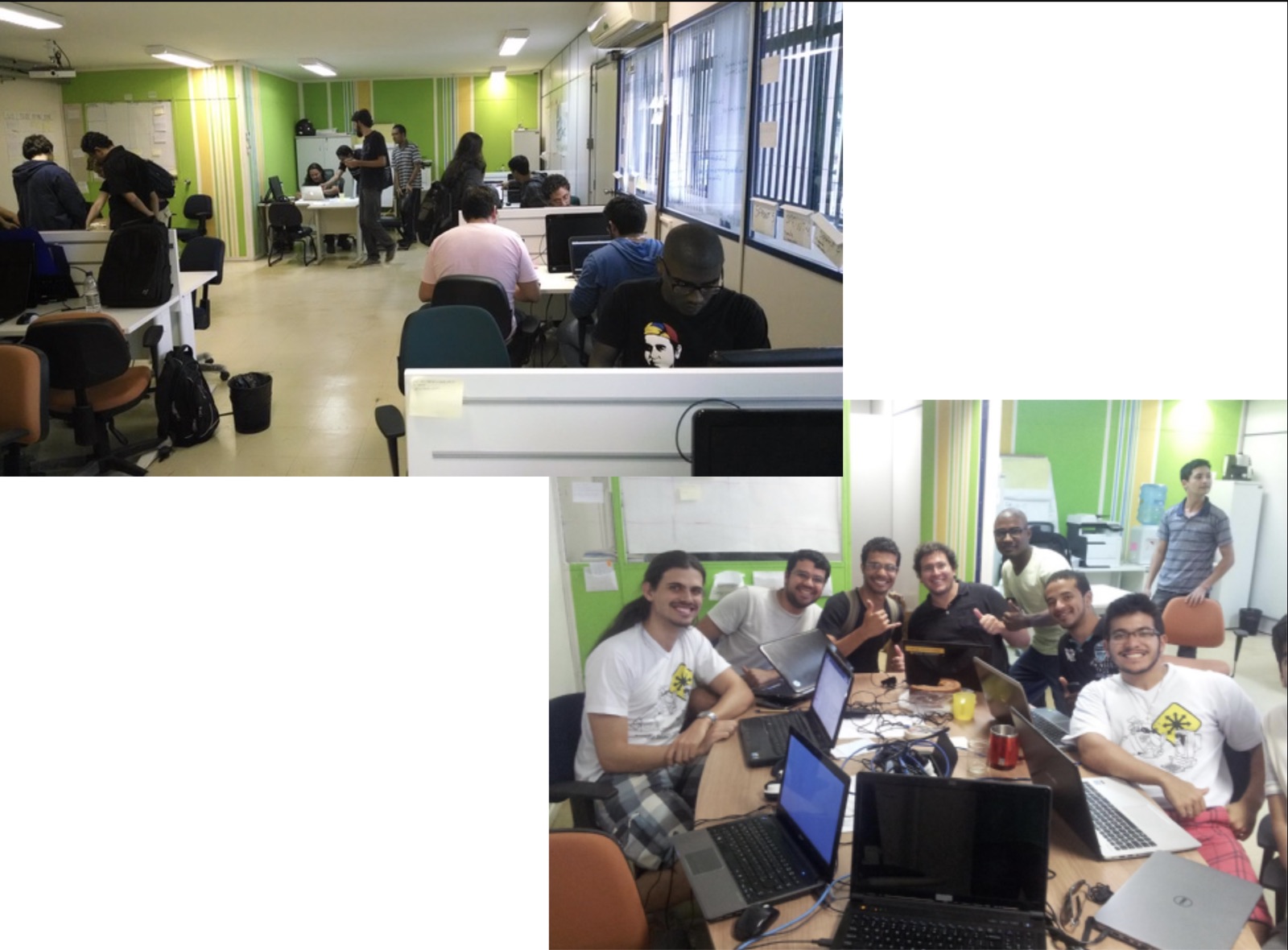
The laboratory in 2013 -
2017
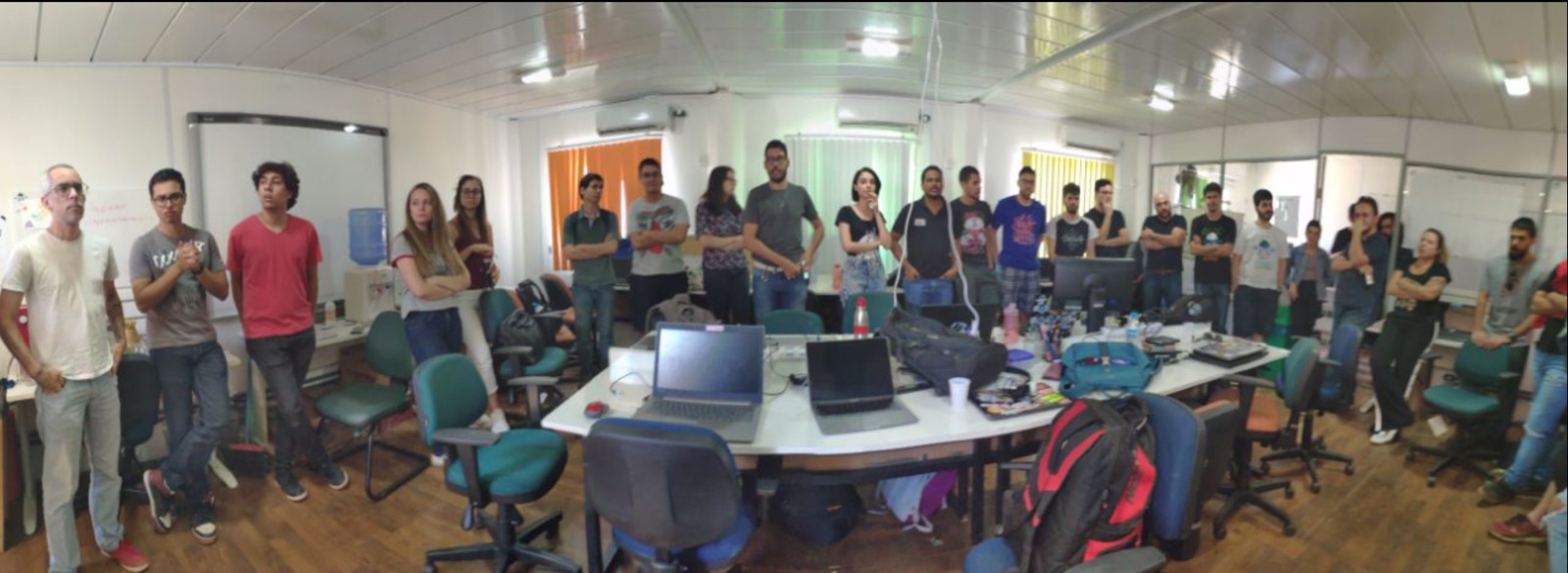
The laboratory in 2017 -
2019
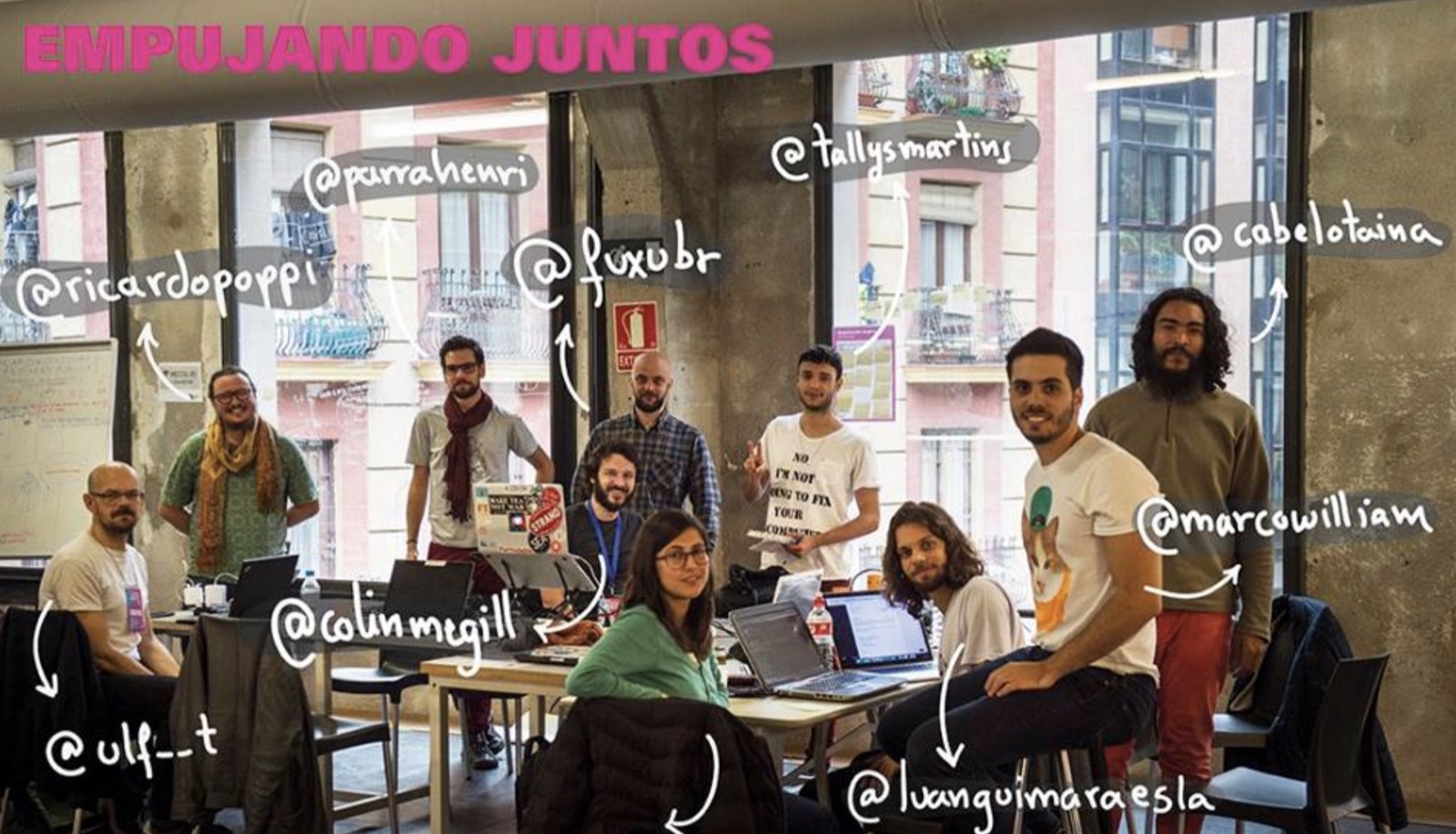
The laboratory in Madrid, 2019 -
2023
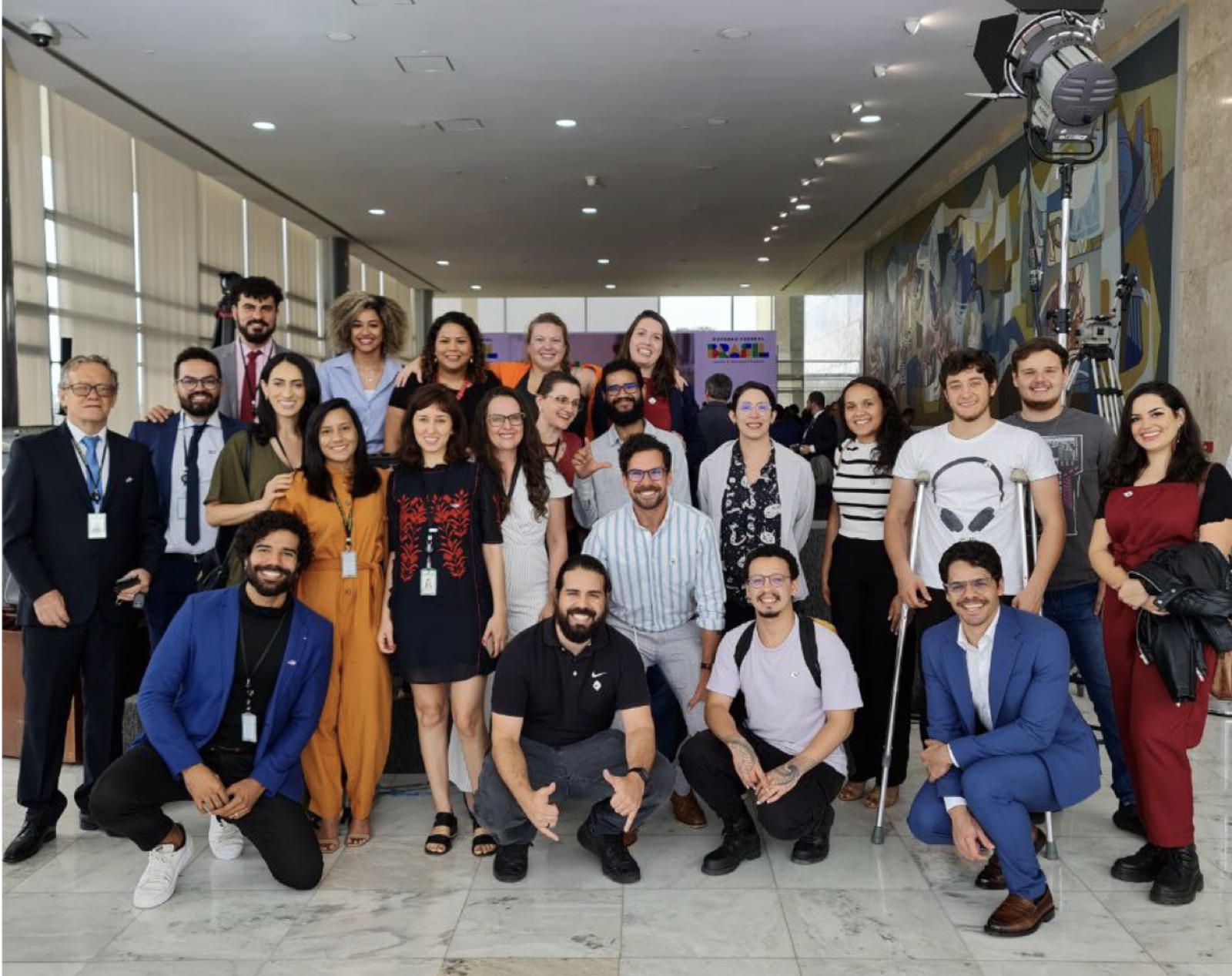
The laboratory at the Presidency of the Republic, 2023 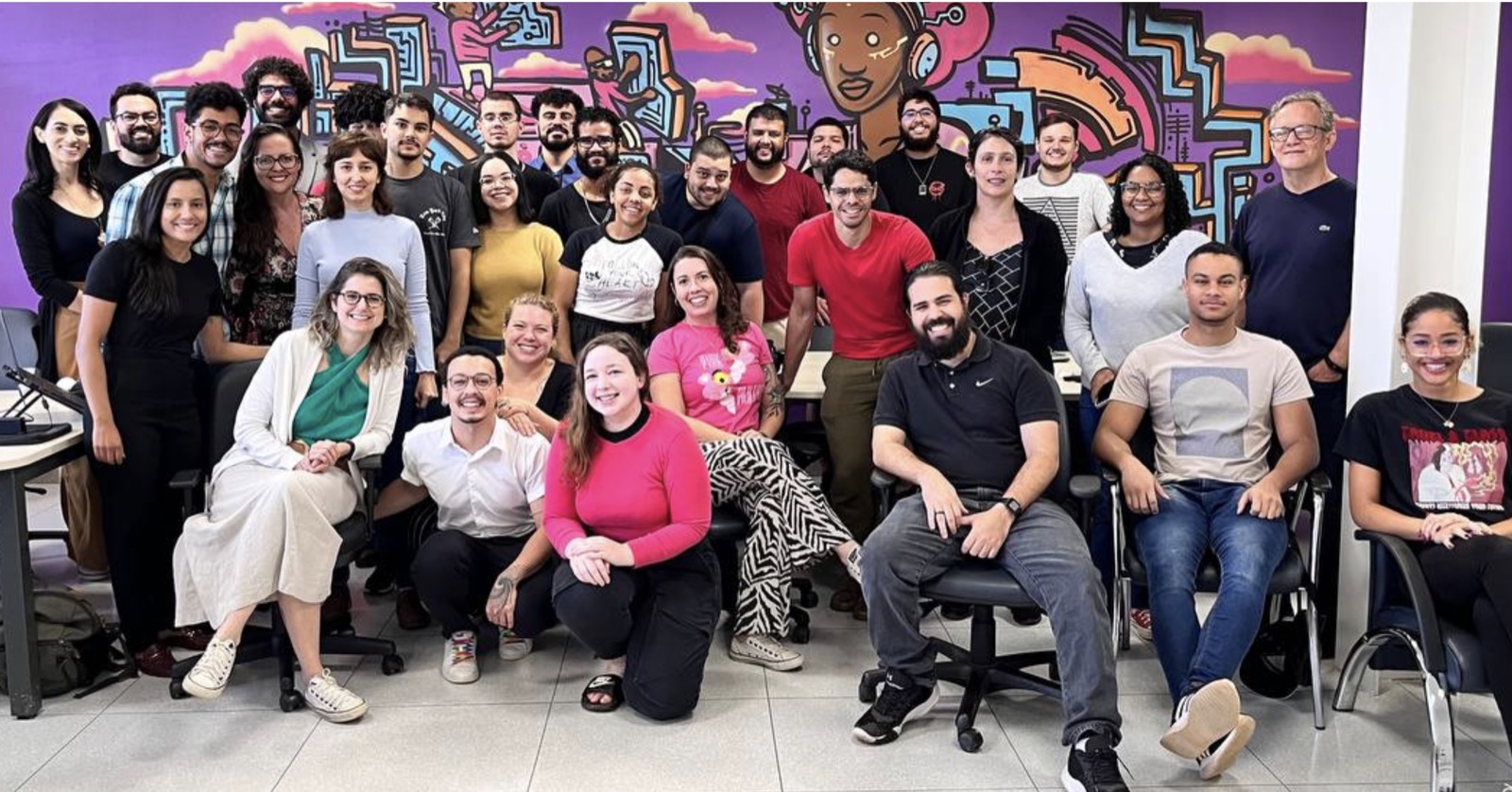
The Brasil Participativo team, 2023 -
2024
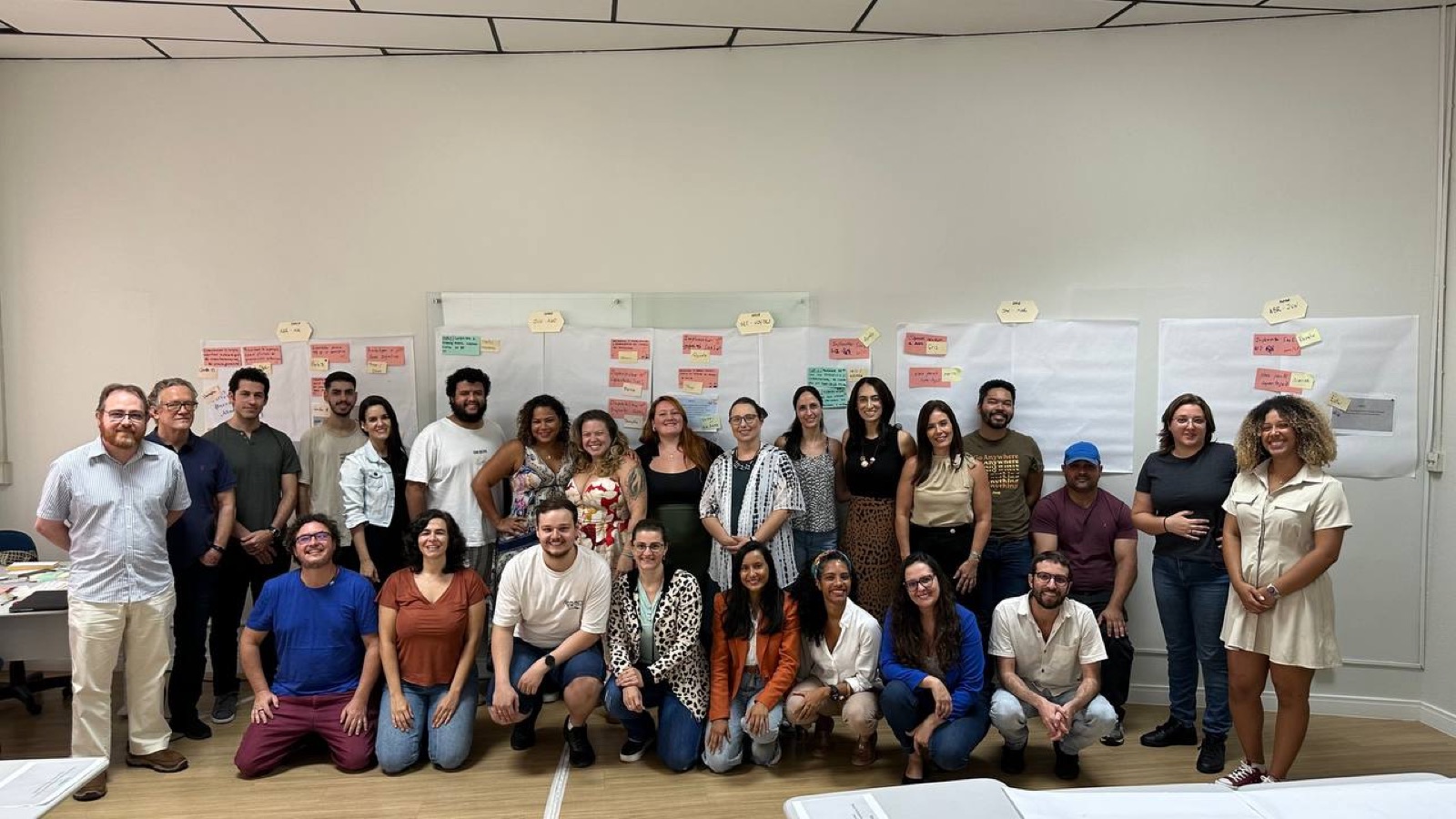
The laboratory in 2024 -
2025
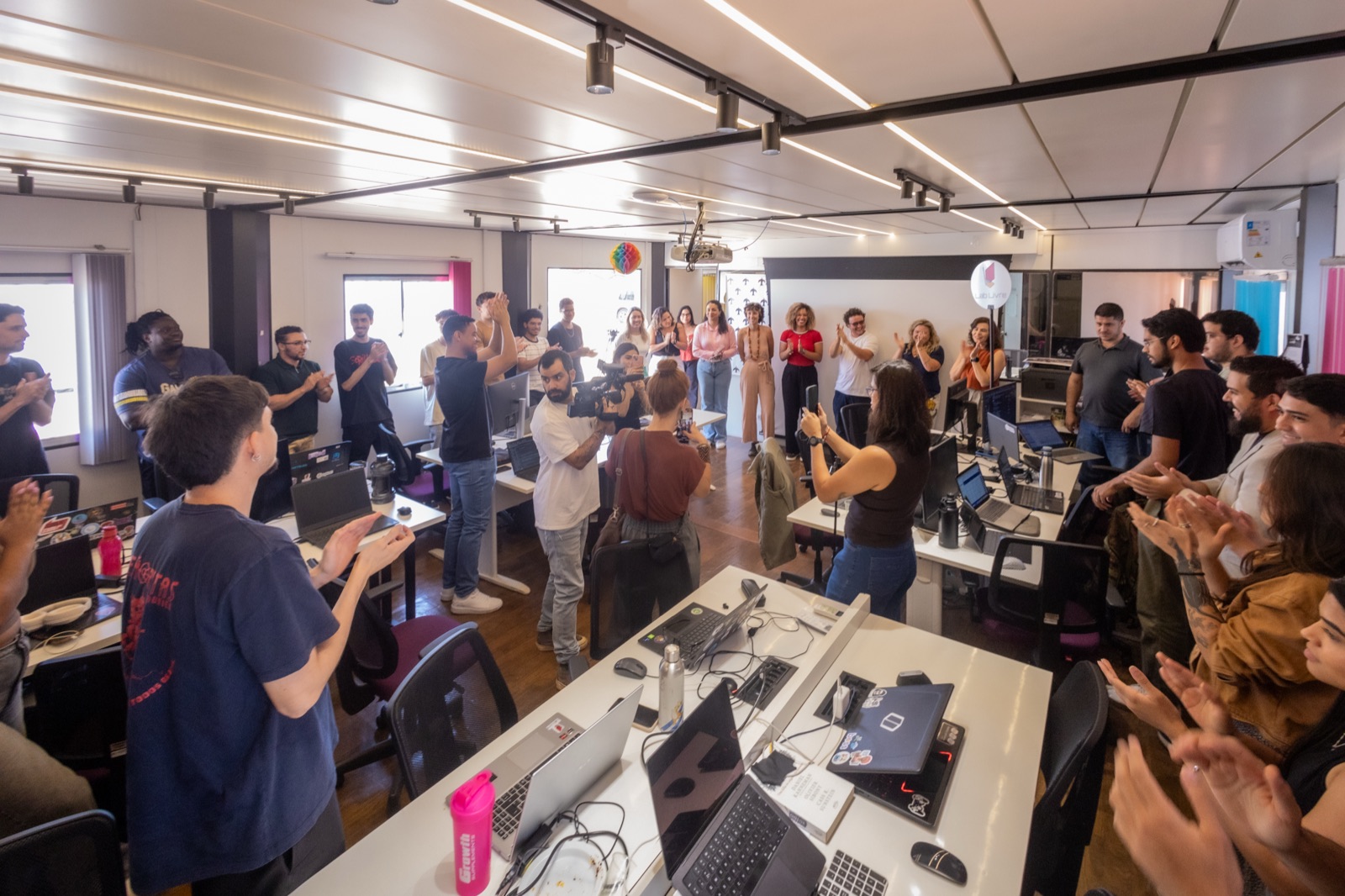
The laboratory in 2025 -
2026
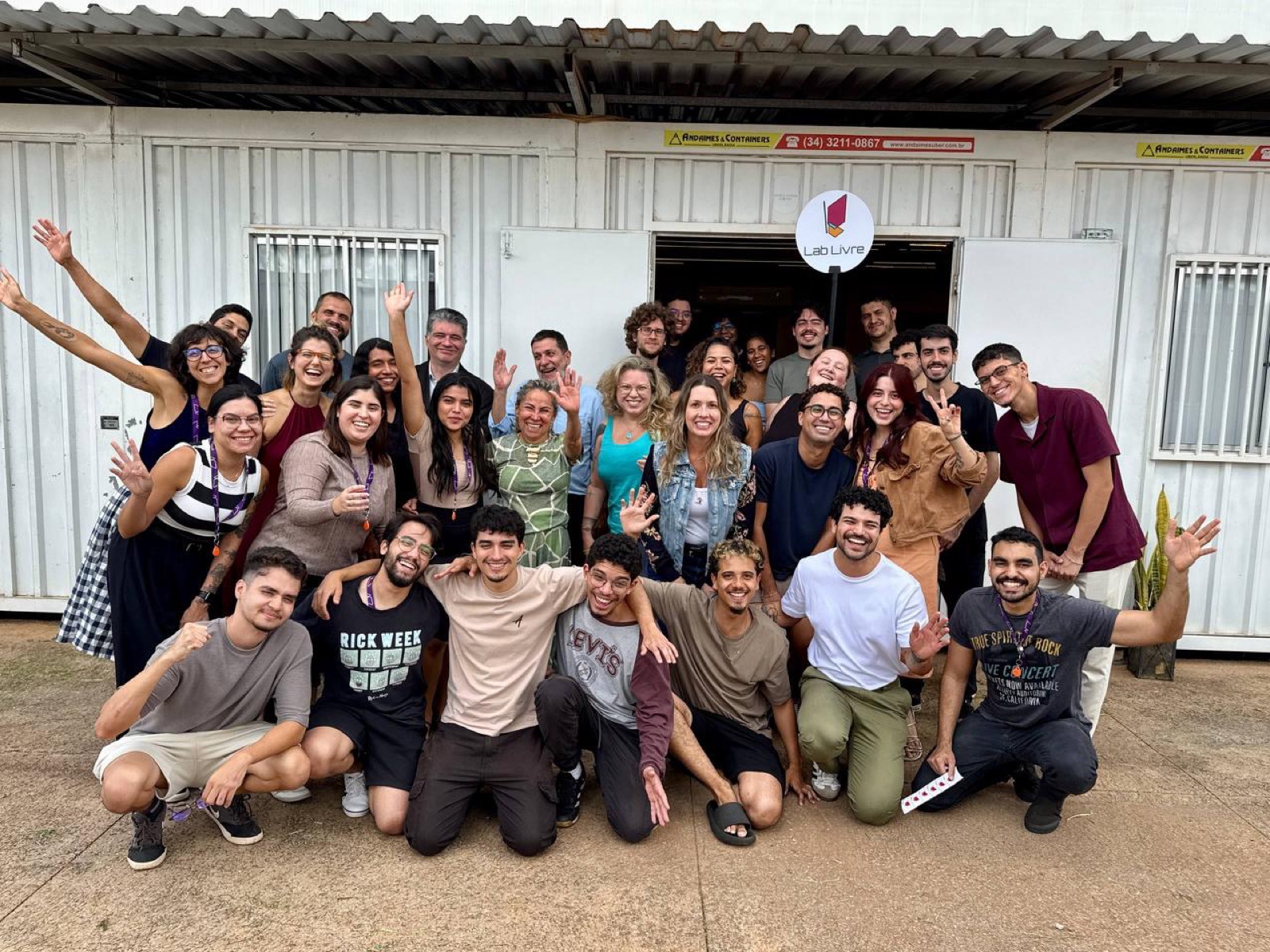
The laboratory in 2026
Our Principles
Freedom and open knowledge – we champion free access to code, data, and scientific knowledge. Inclusion and diversity – we welcome and strengthen underrepresented voices in technology. Collaboration – we build collectively, inside and outside academia. Transparency and ethics – we operate with openness in processes, decisions, and results. Purpose-driven innovation – we create solutions that address real social challenges. Social commitment – we place community impact at the center of our work.
Our Mission
To promote the culture of free software and the digital commons through applied research and technological innovation. We train young people, women, and underrepresented groups to lead social and technological transformations in Brazil, developing solutions that democratize access to technology and generate sustainable social impact.
Coordination
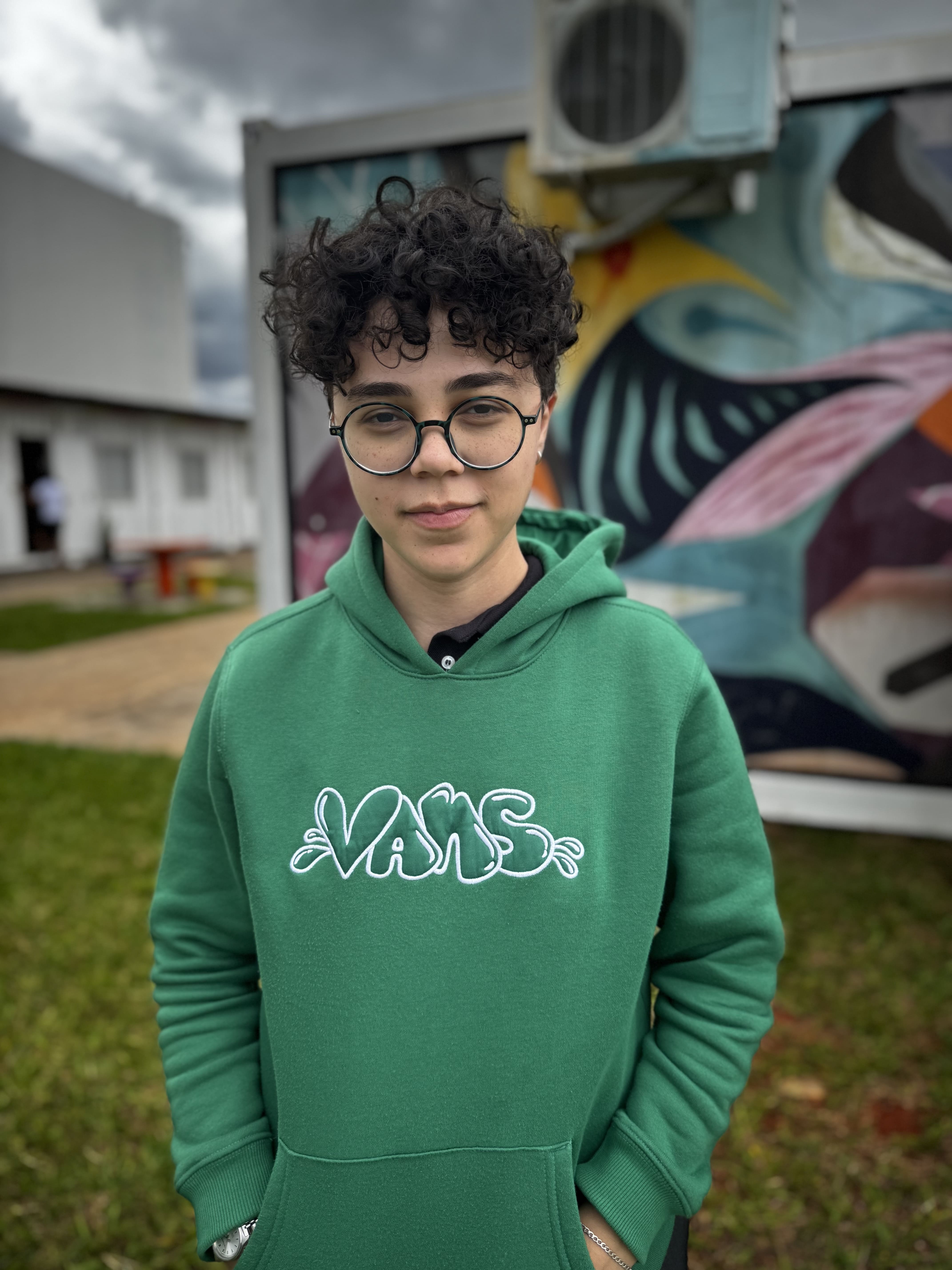
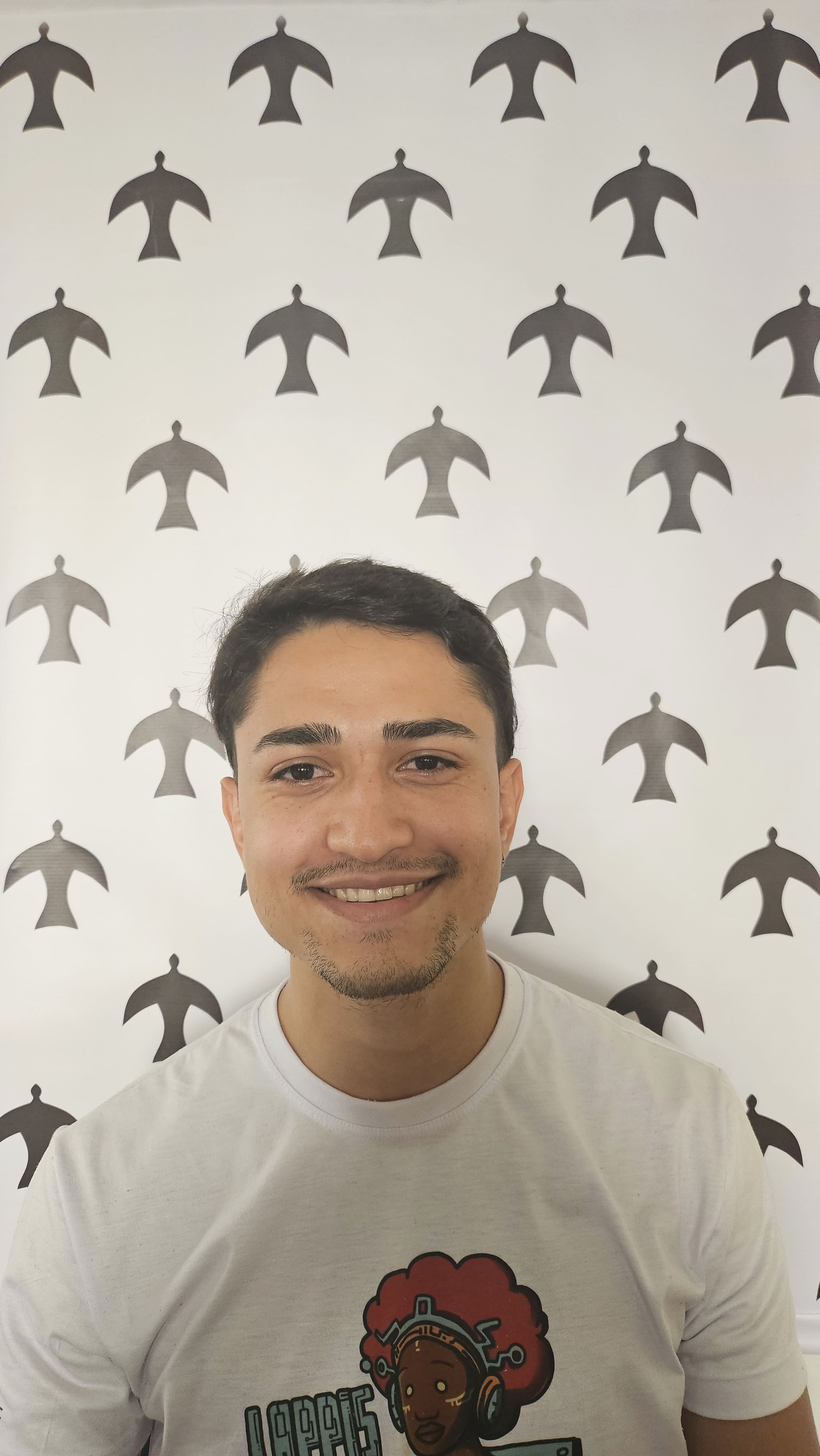
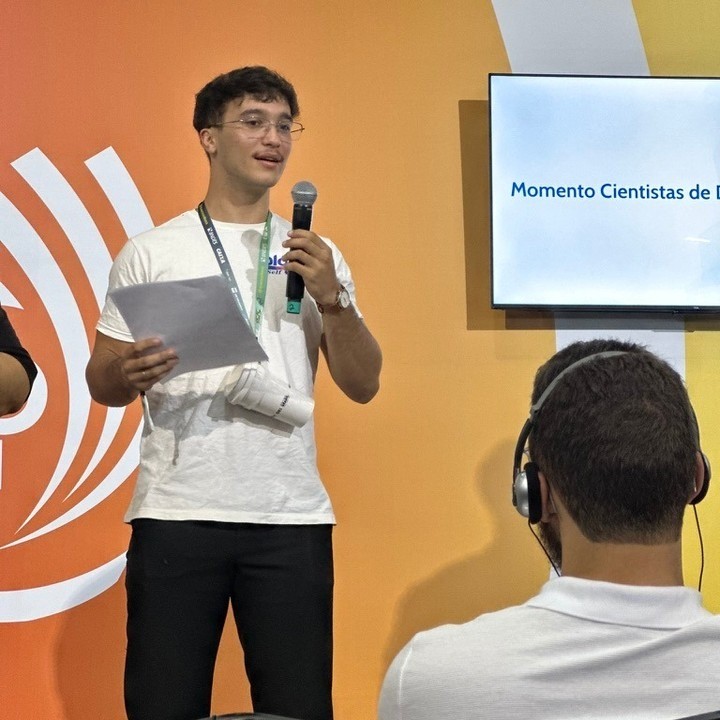
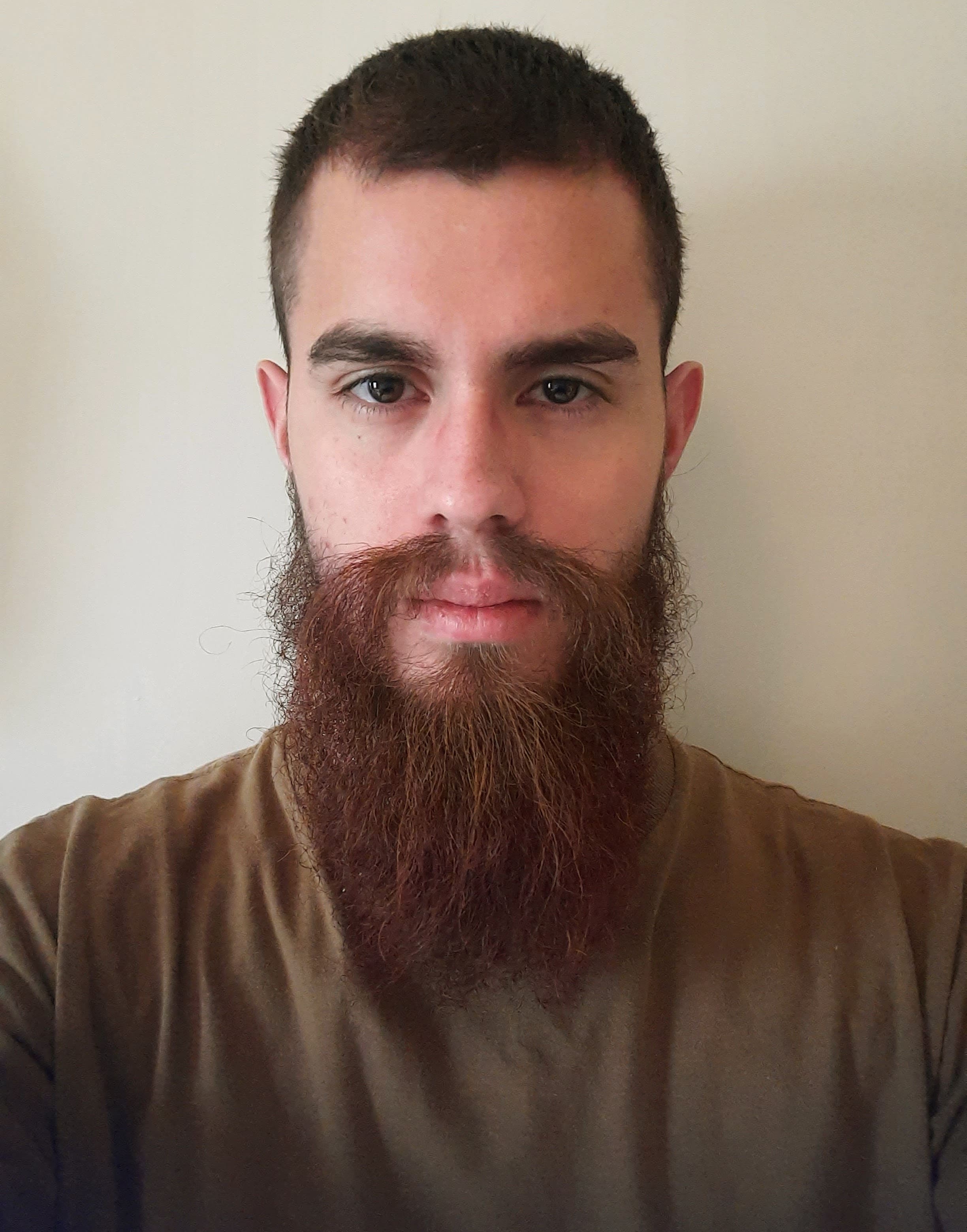
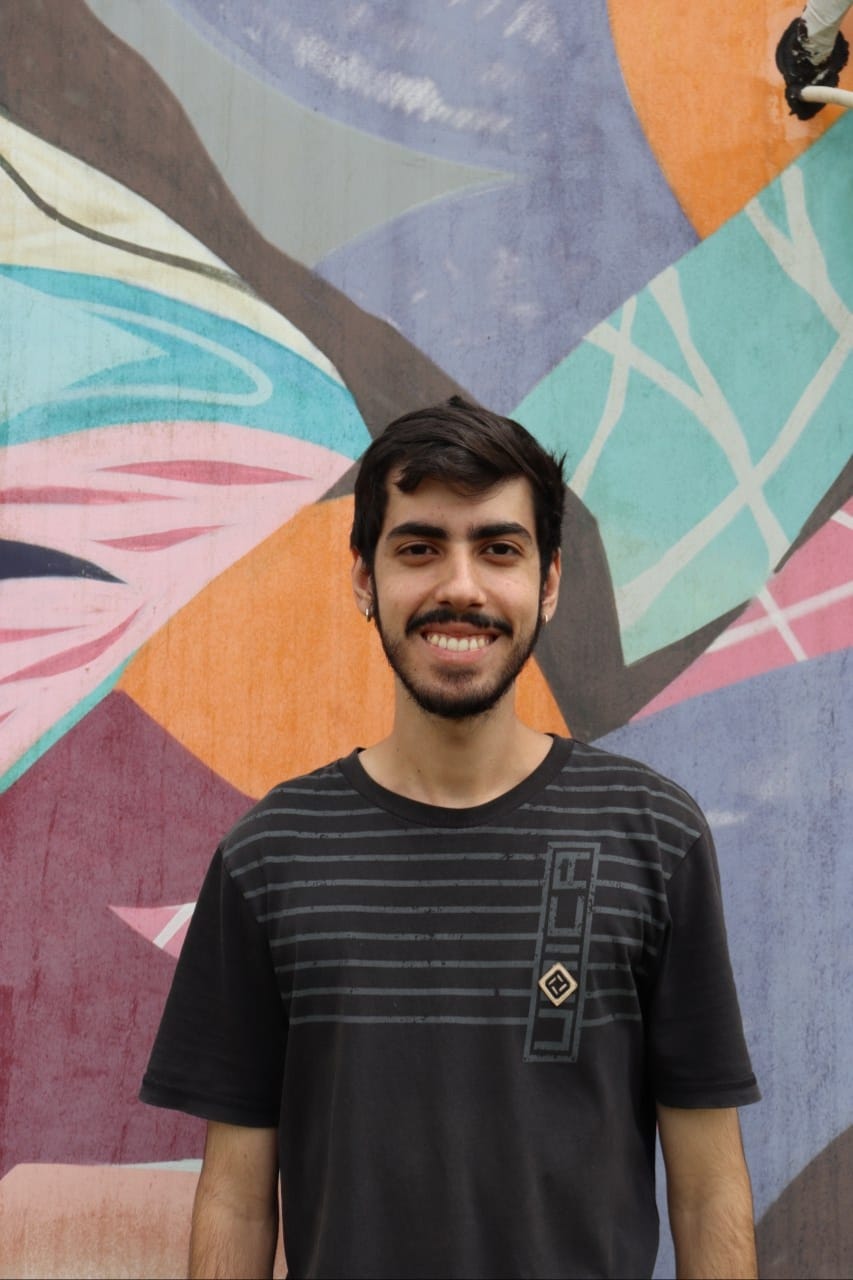
Our team
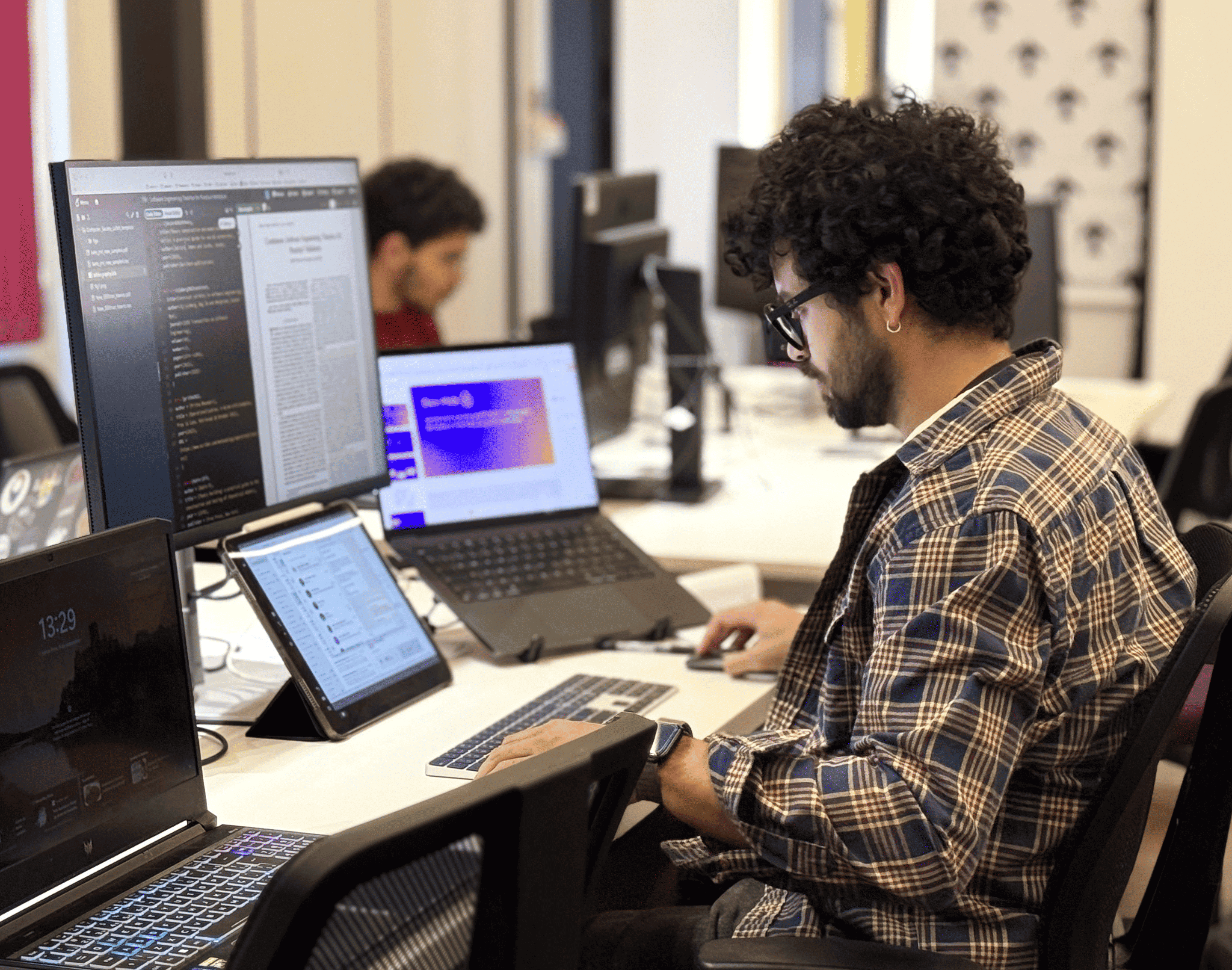
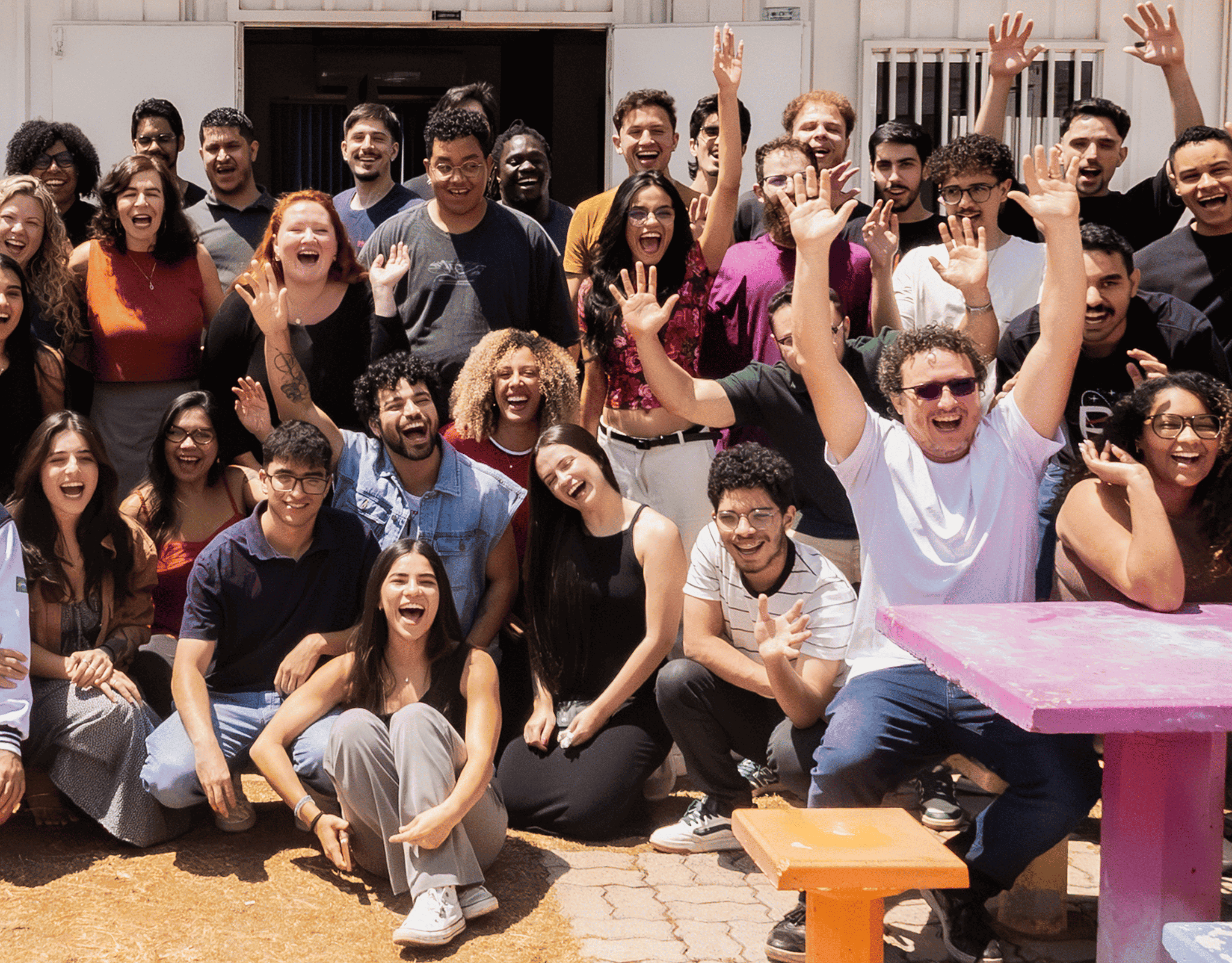
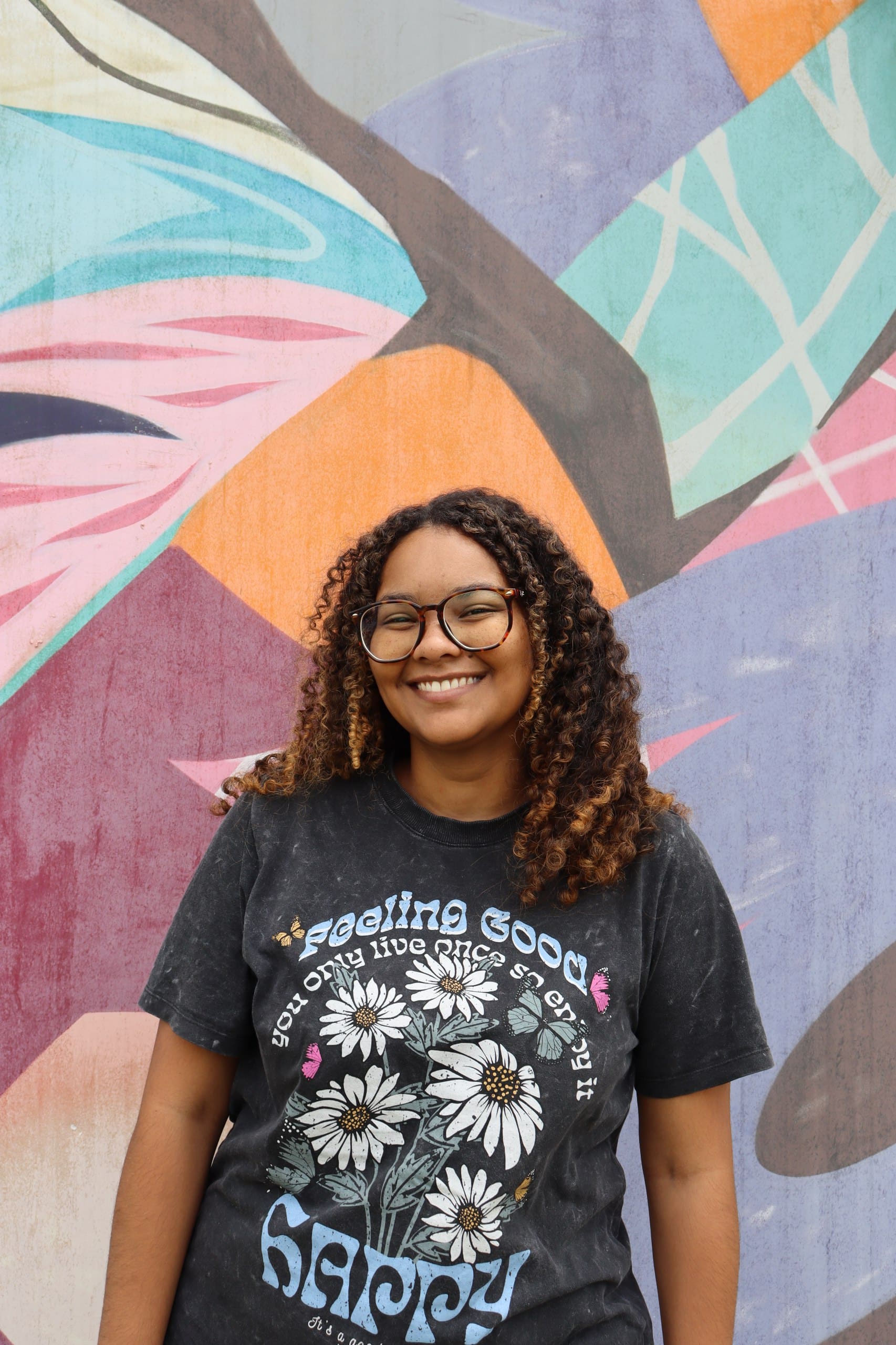
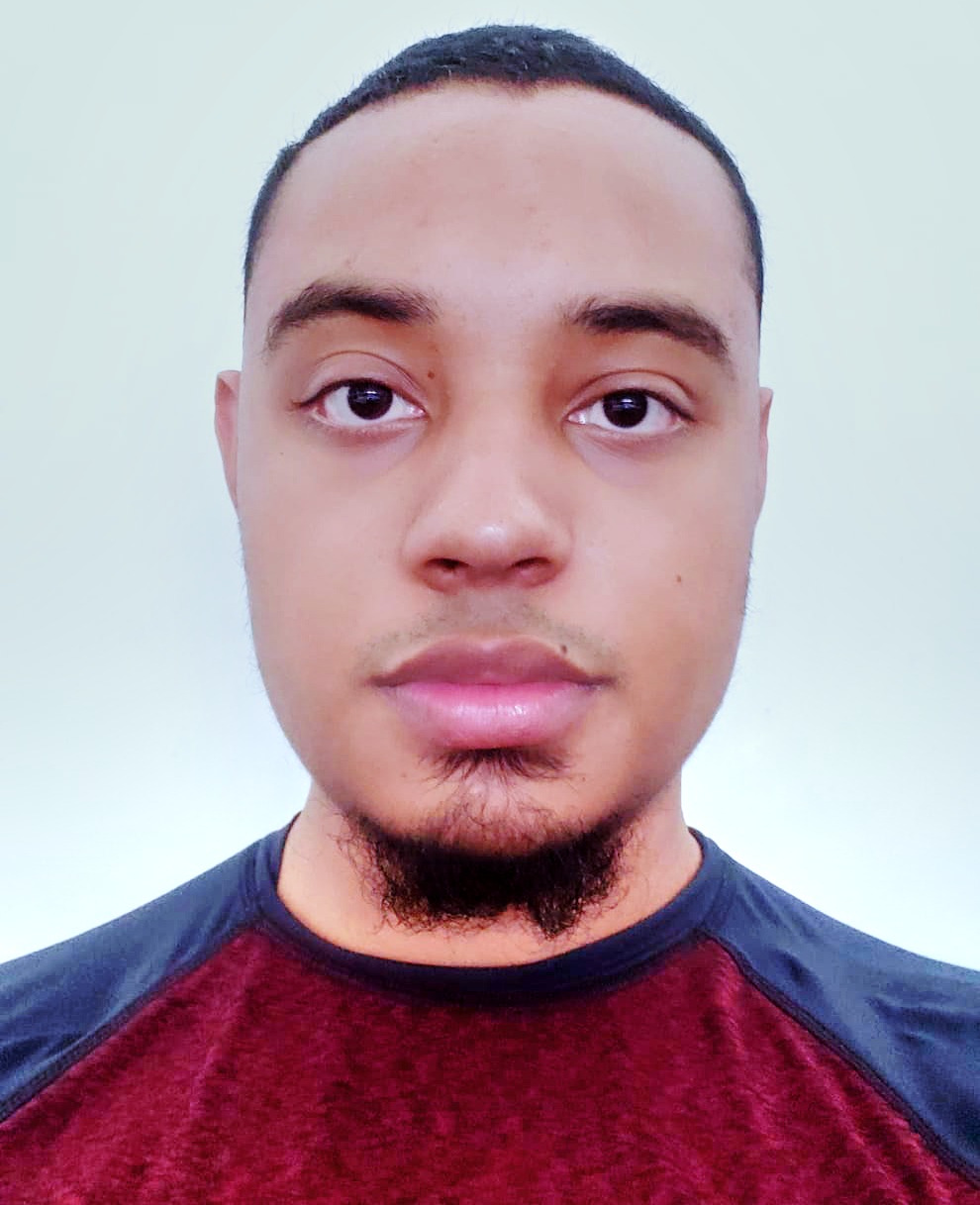
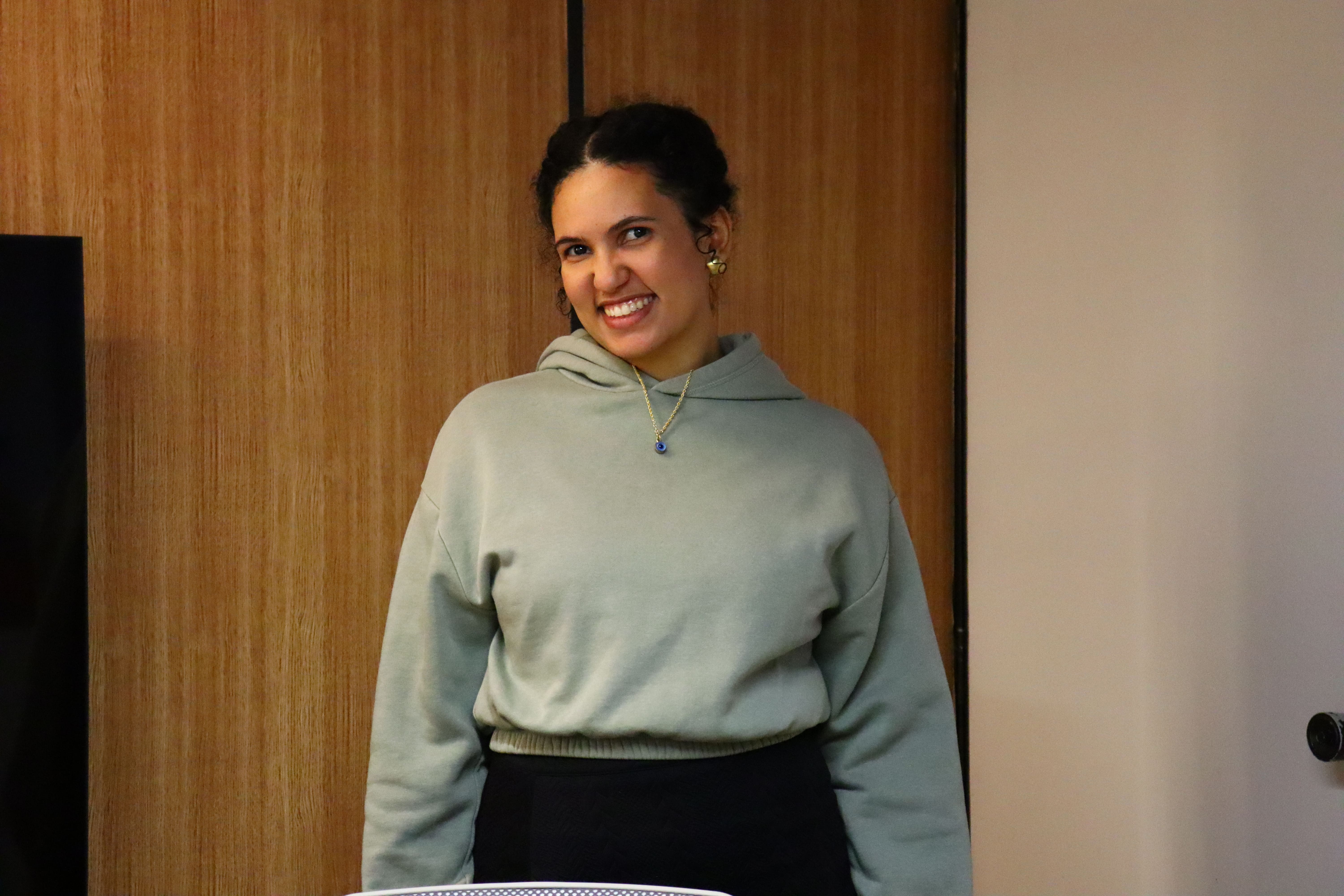
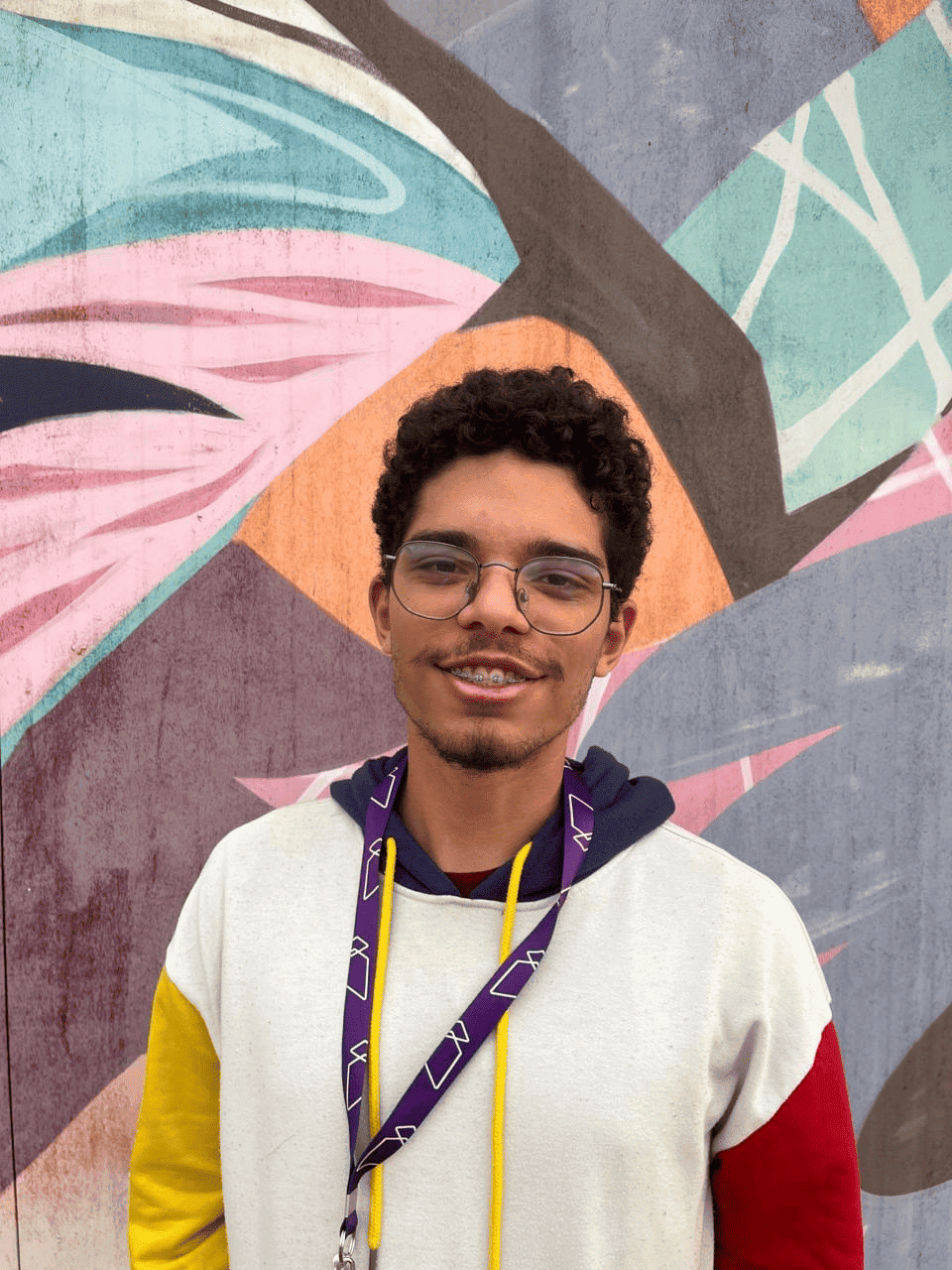
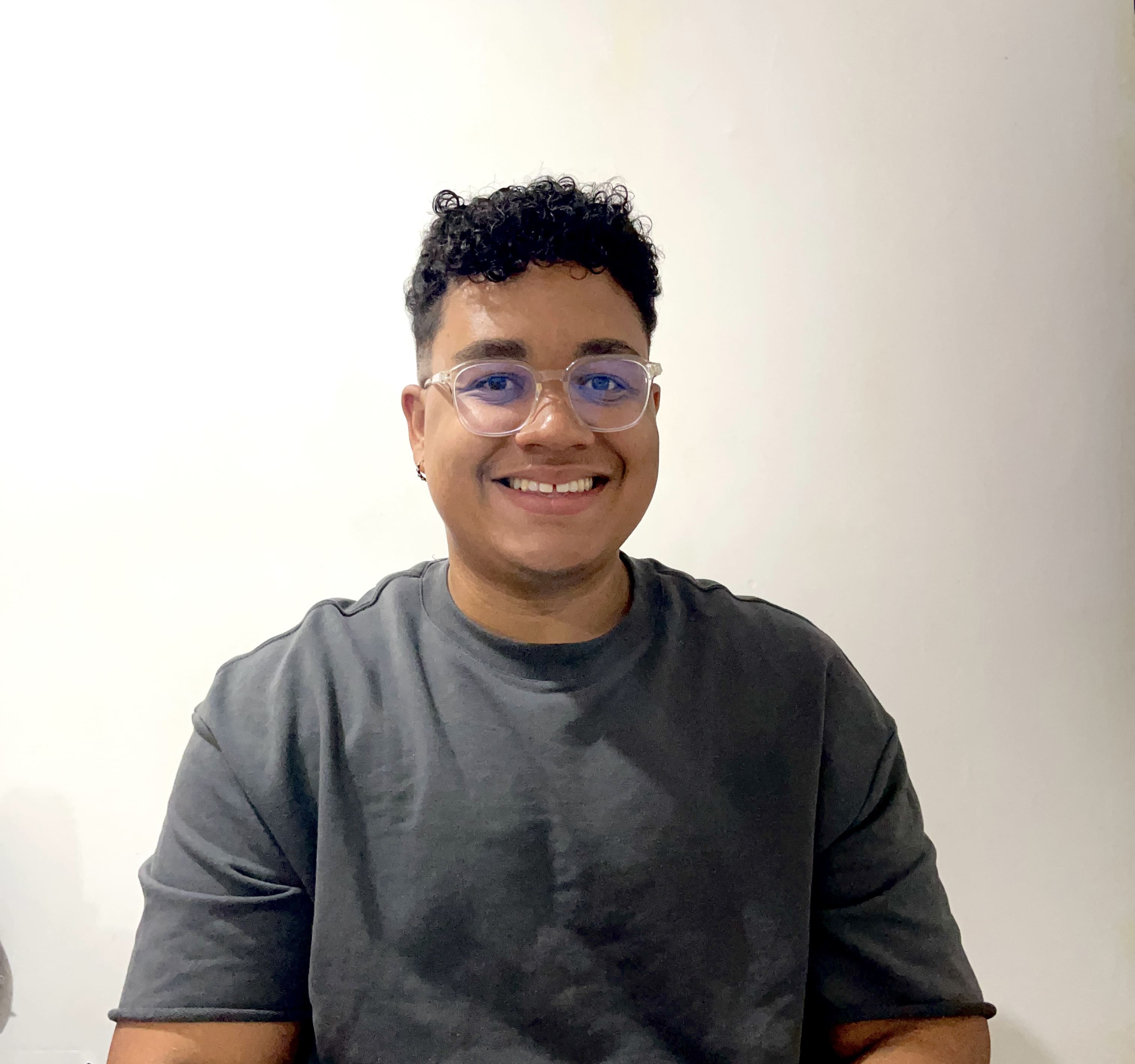
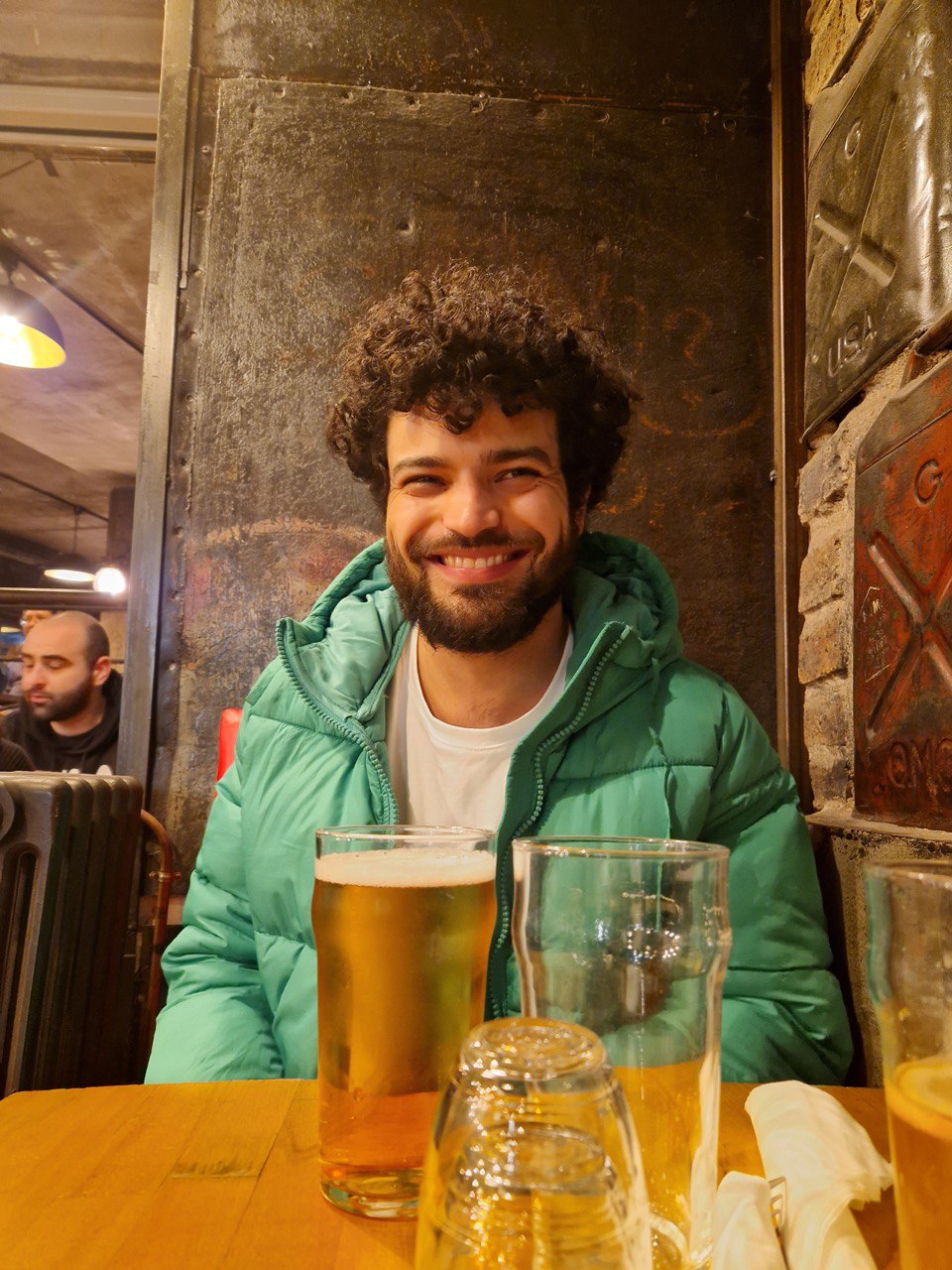
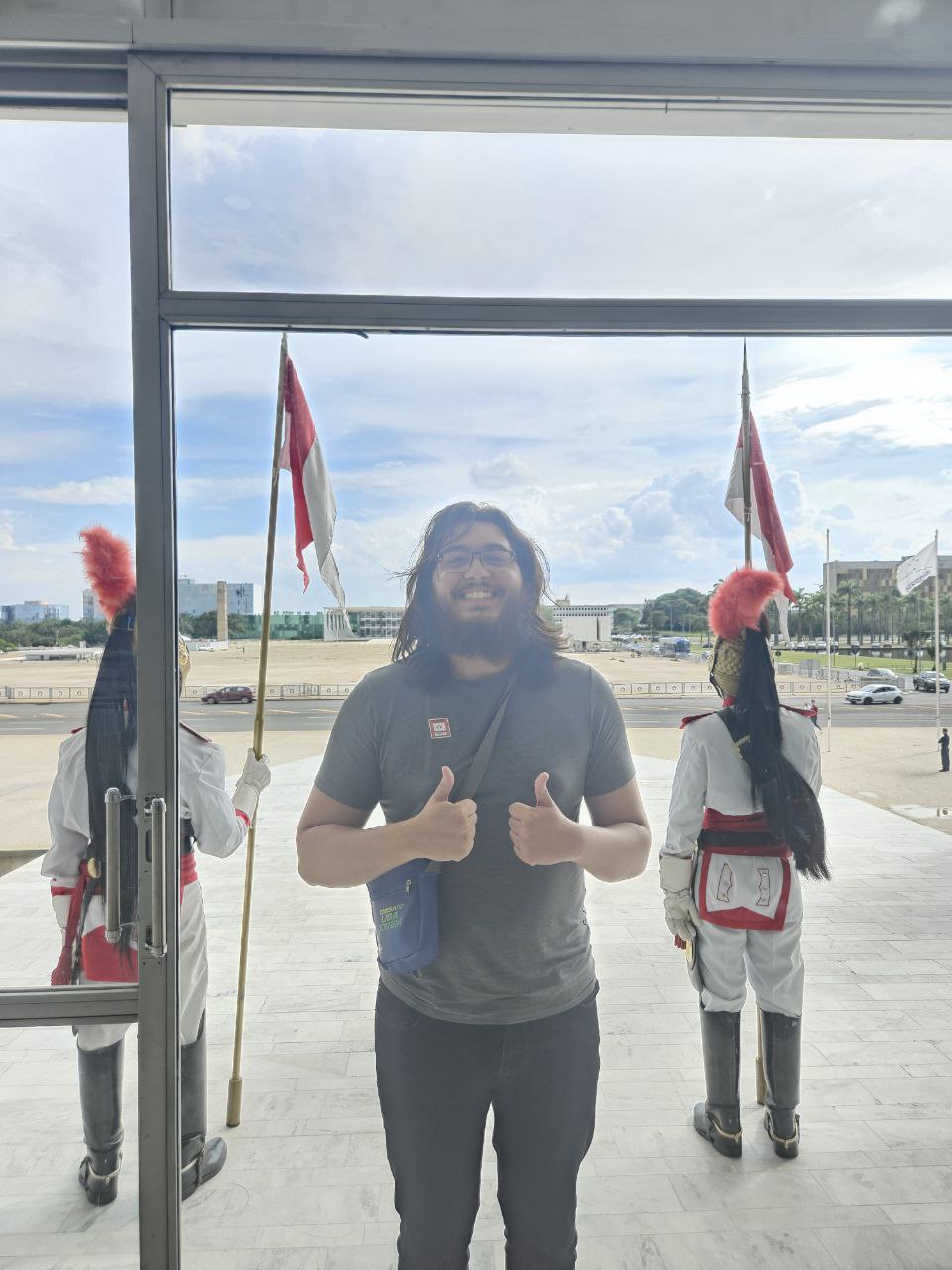
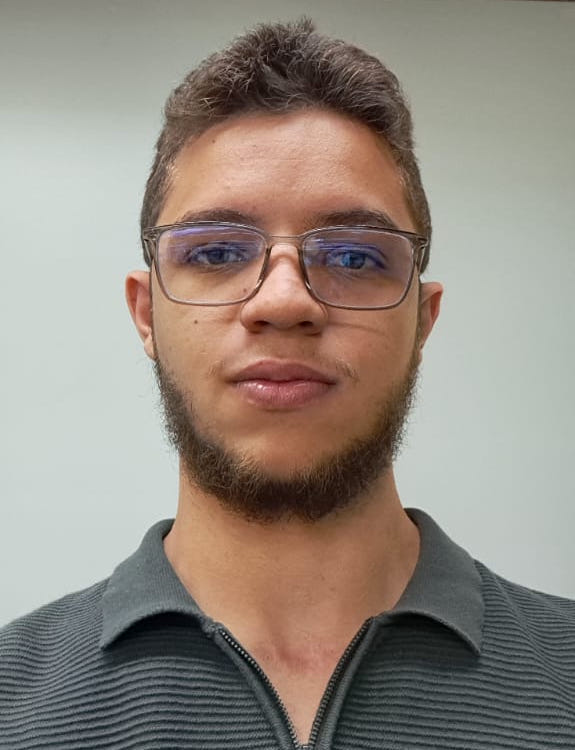
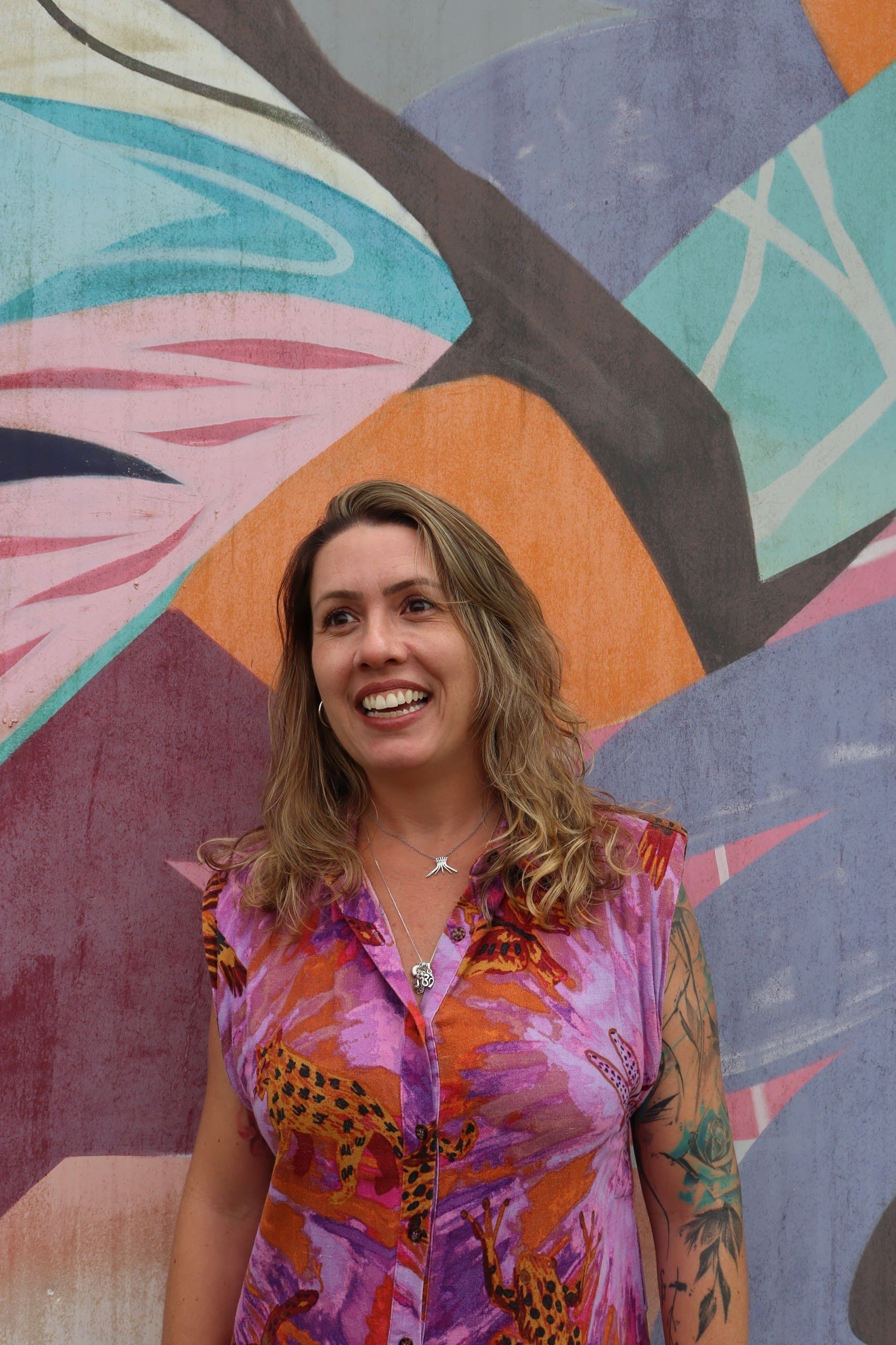
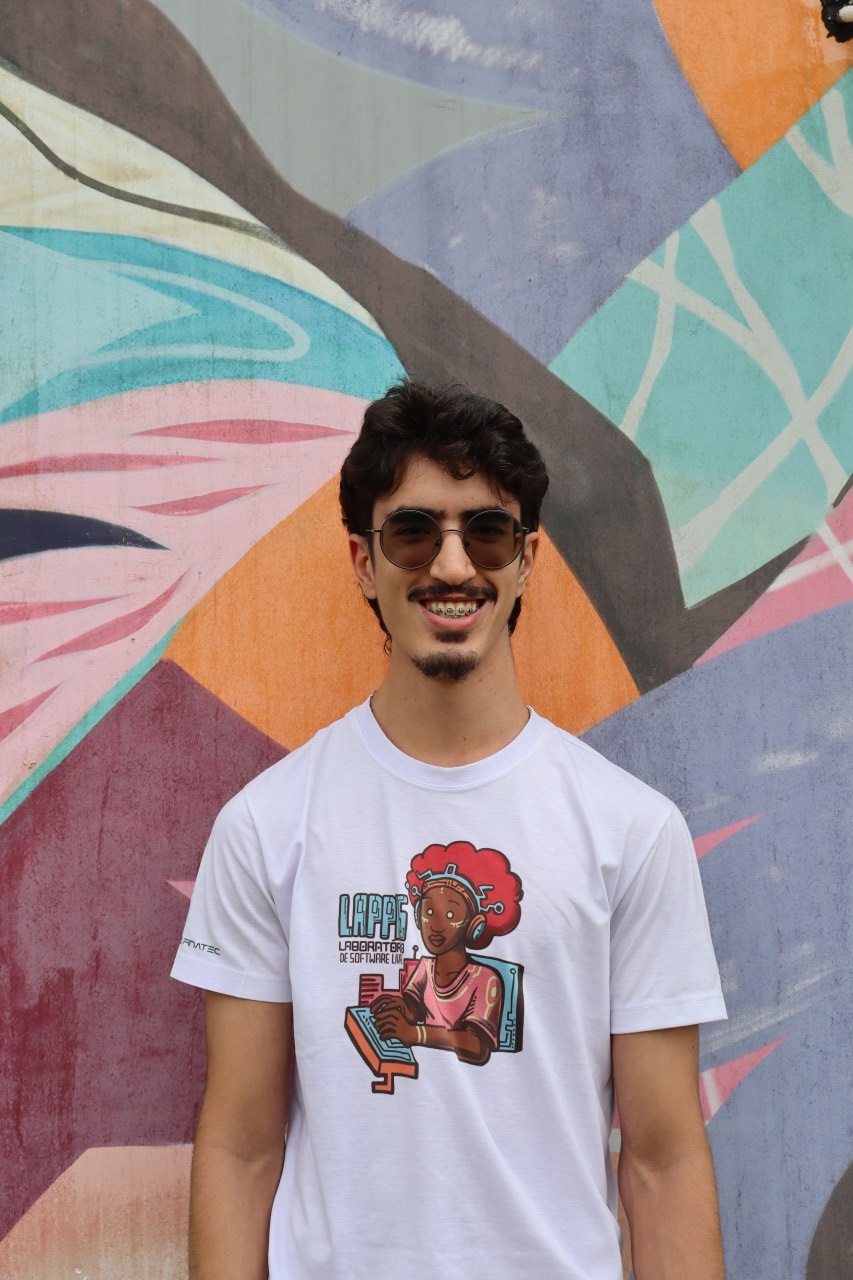
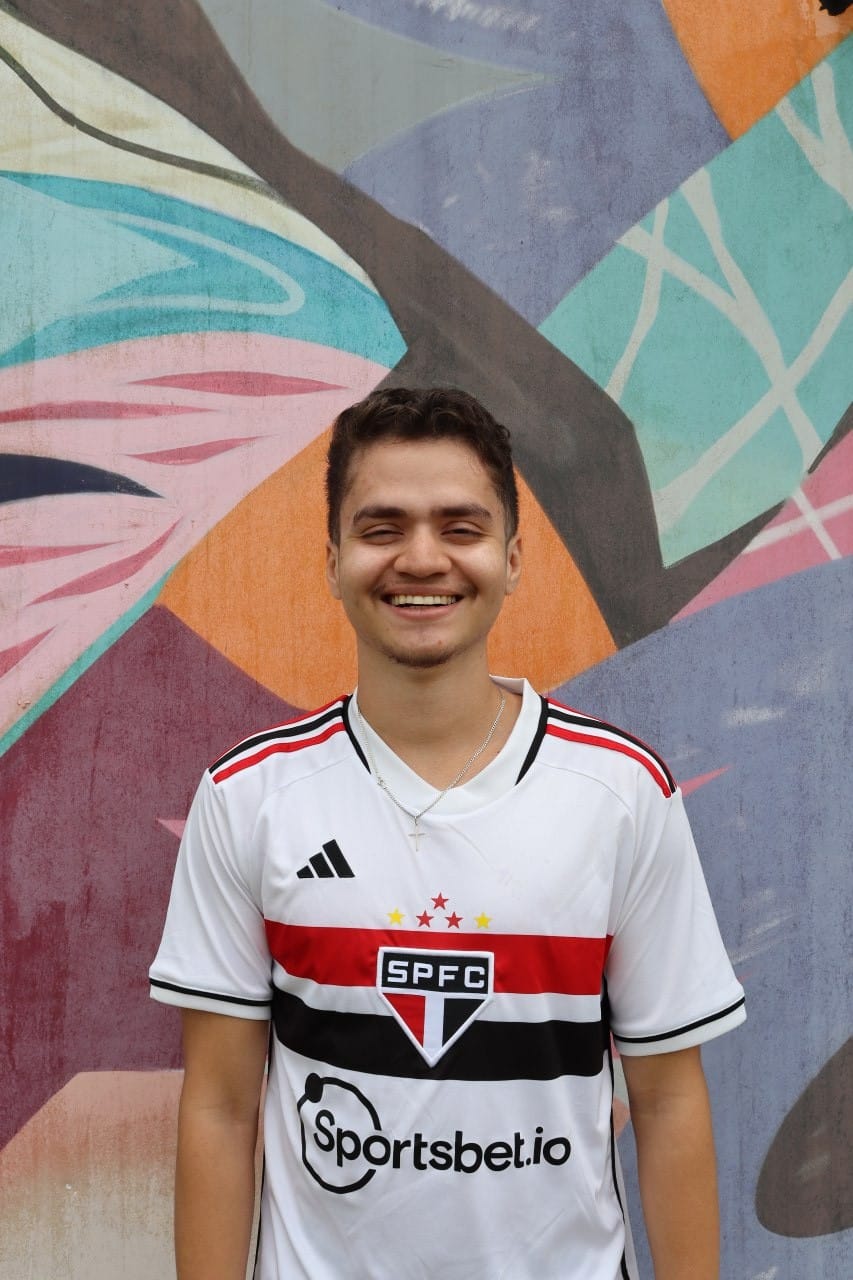
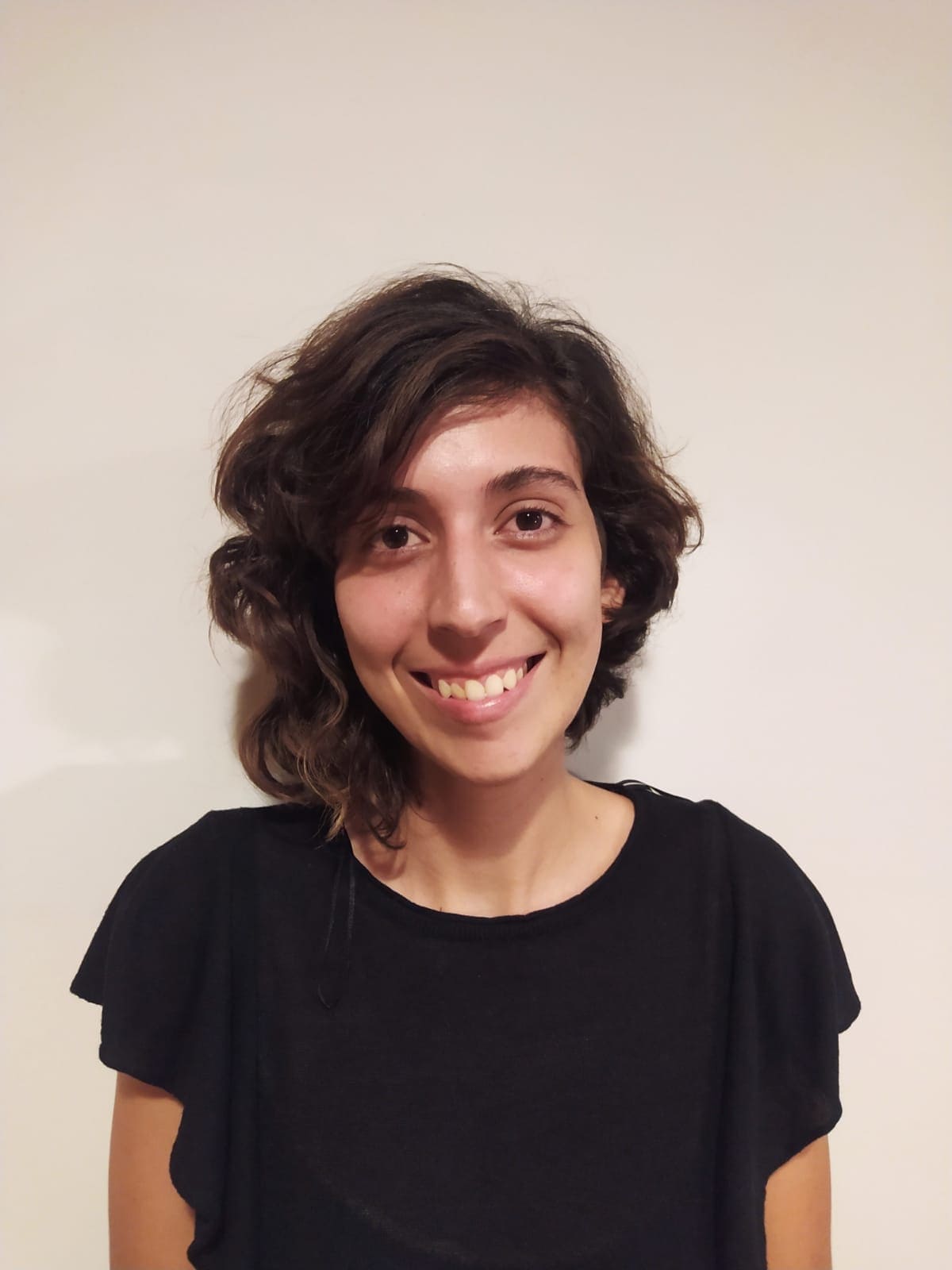
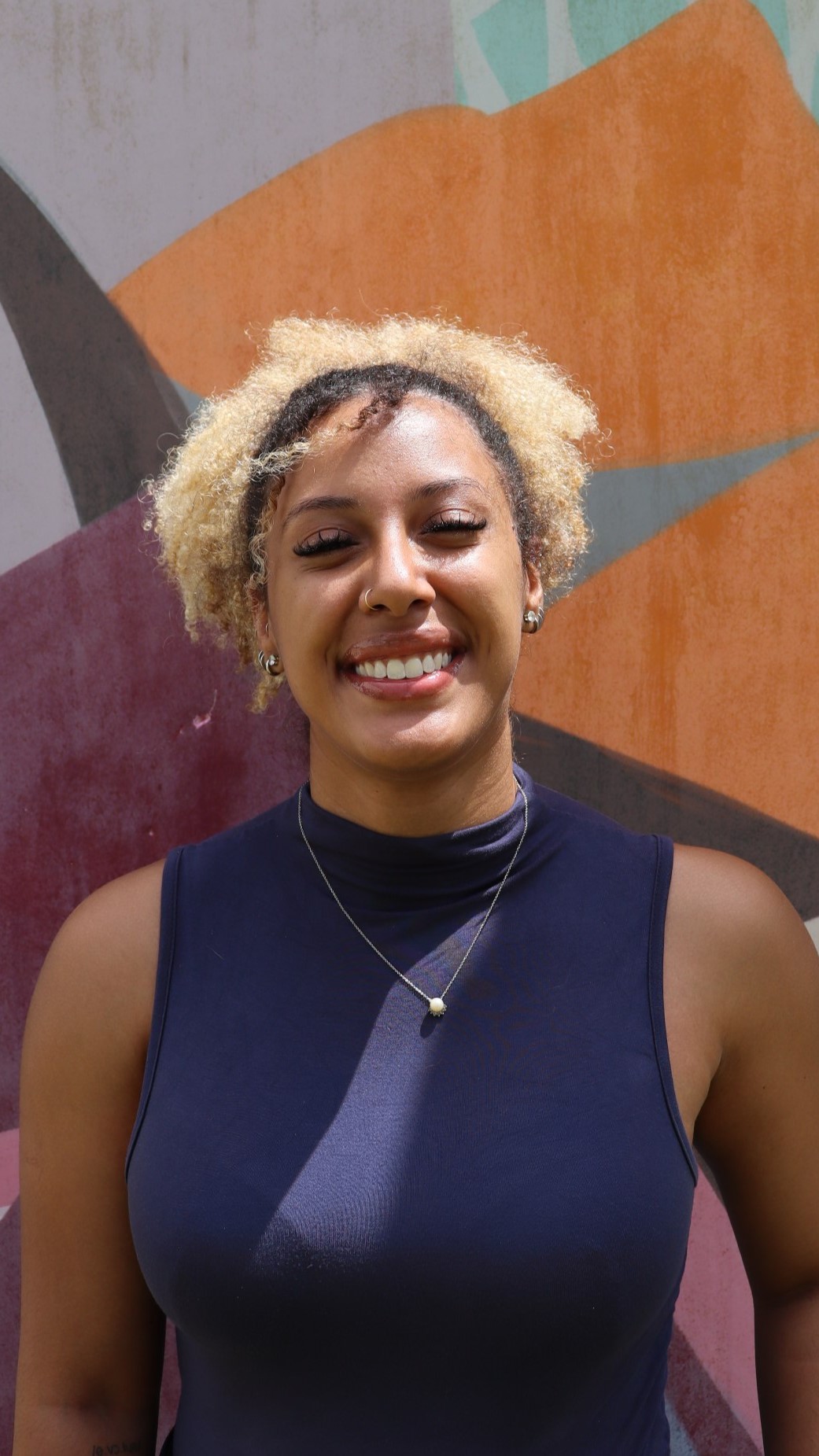
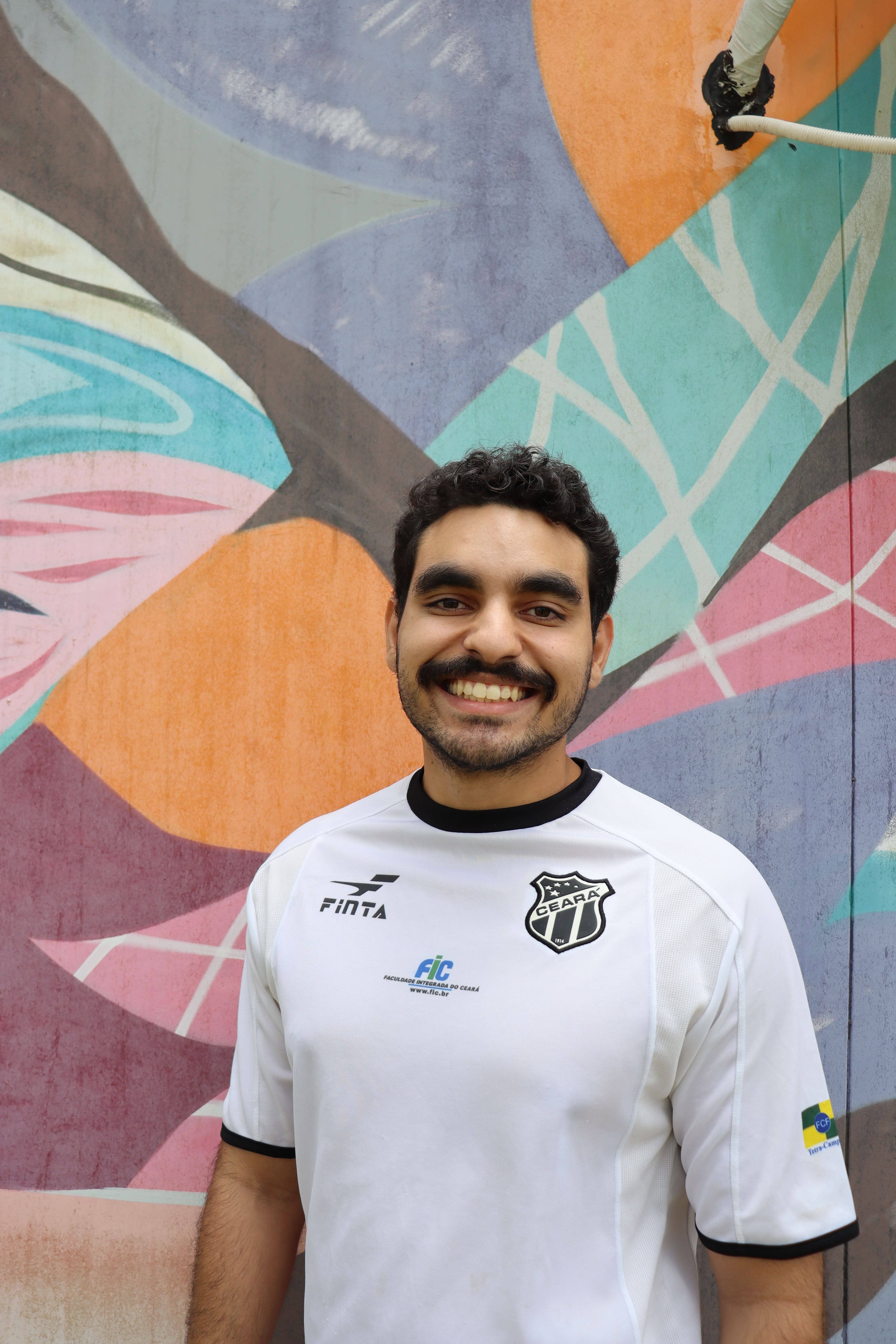
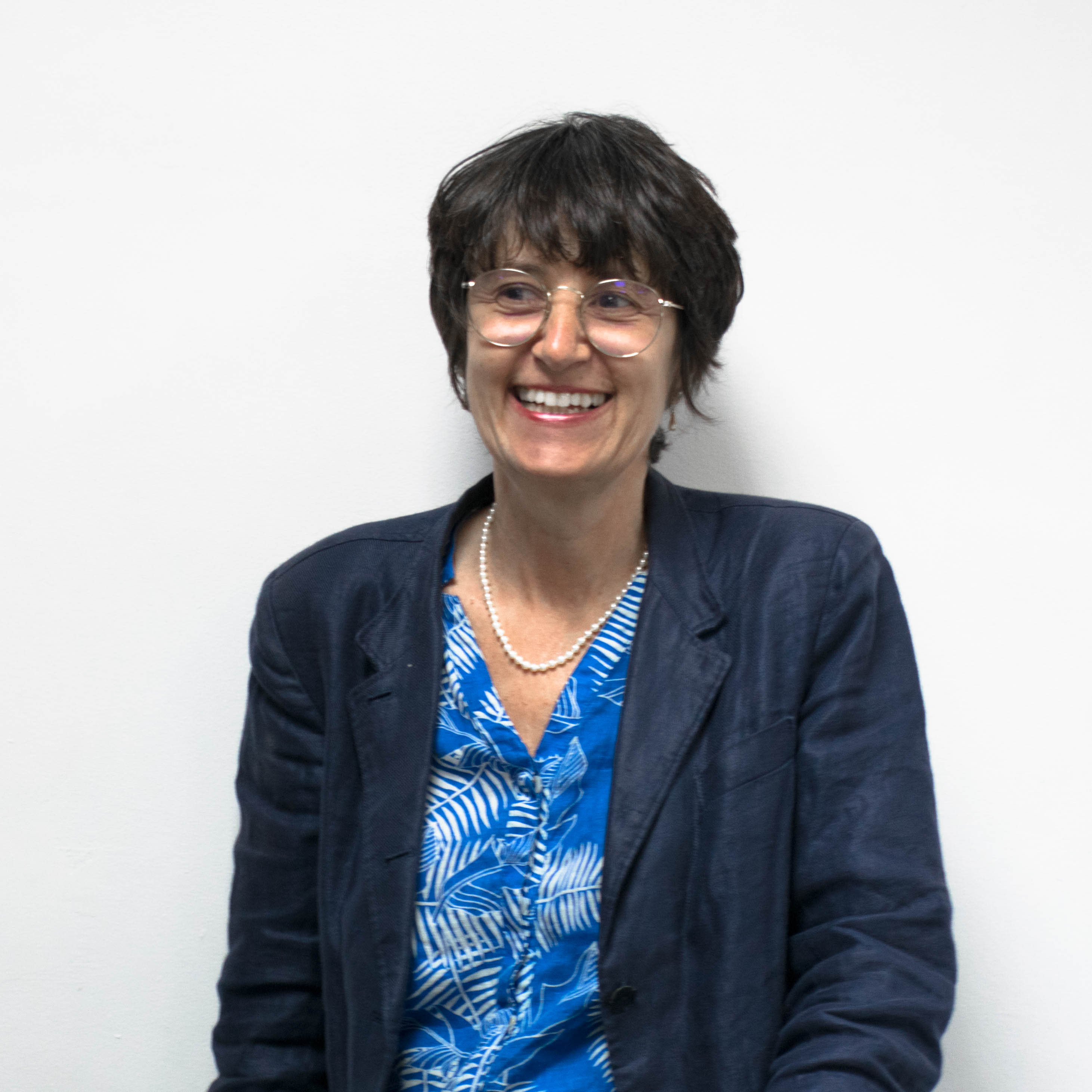
We are a diverse, multidisciplinary community that brings together research professors, undergraduate and graduate students, collaborating researchers, and partner startups. Our strength lies in the plurality of profiles and experiences.








.jpg)





















Partners
Universities


Public Sector


Civil Society Organizations


Private Sector

Free Software Communities



Selected publications
Citation counts according to Google Scholar as of July 2026.
-
852 citations
A survey of DevOps concepts and challenges
Leite, L.; Rocha, C.; Kon, F.; Milojicic, D.; Meirelles, P.
ACM Computing Surveys (CSUR) · 2019
-
75 citations
Training software engineers using open-source software: the students' perspective
Pinto, G.; Ferreira, C.; Souza, C.; Steinmacher, I.; Meirelles, P.
ICSE-SEET · International Conference on Software Engineering: Software Engineering Education and Training · 2019
-
55 citations
The organization of software teams in the quest for continuous delivery: A grounded theory approach
Leite, L.; Pinto, G.; Kon, F.; Meirelles, P.
Information and Software Technology · 2021
-
38 citations
FLOSS FAQ chatbot project reuse: how to allow nonexperts to develop a chatbot
Lacerda, A. R. T.; Aguiar, C. S. R.
OpenSym · International Symposium on Open Collaboration · 2019
-
34 citations
Qualifying software engineers undergraduates in DevOps: challenges of introducing technical and non-technical concepts in a project-oriented course
Alves, I.; Rocha, C.
ICSE-SEET · International Conference on Software Engineering: Software Engineering Education and Training · 2021